
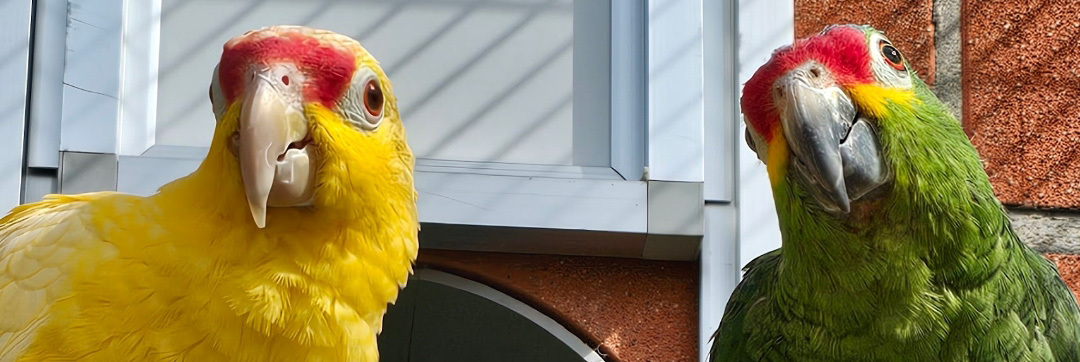
Why a DNA test sometimes doesn't show the expected split
09/07/2026
Why does a DNA colour mutation test sometimes not show the expected split? Discover how different genetic variants can cause the same colour phenotype.
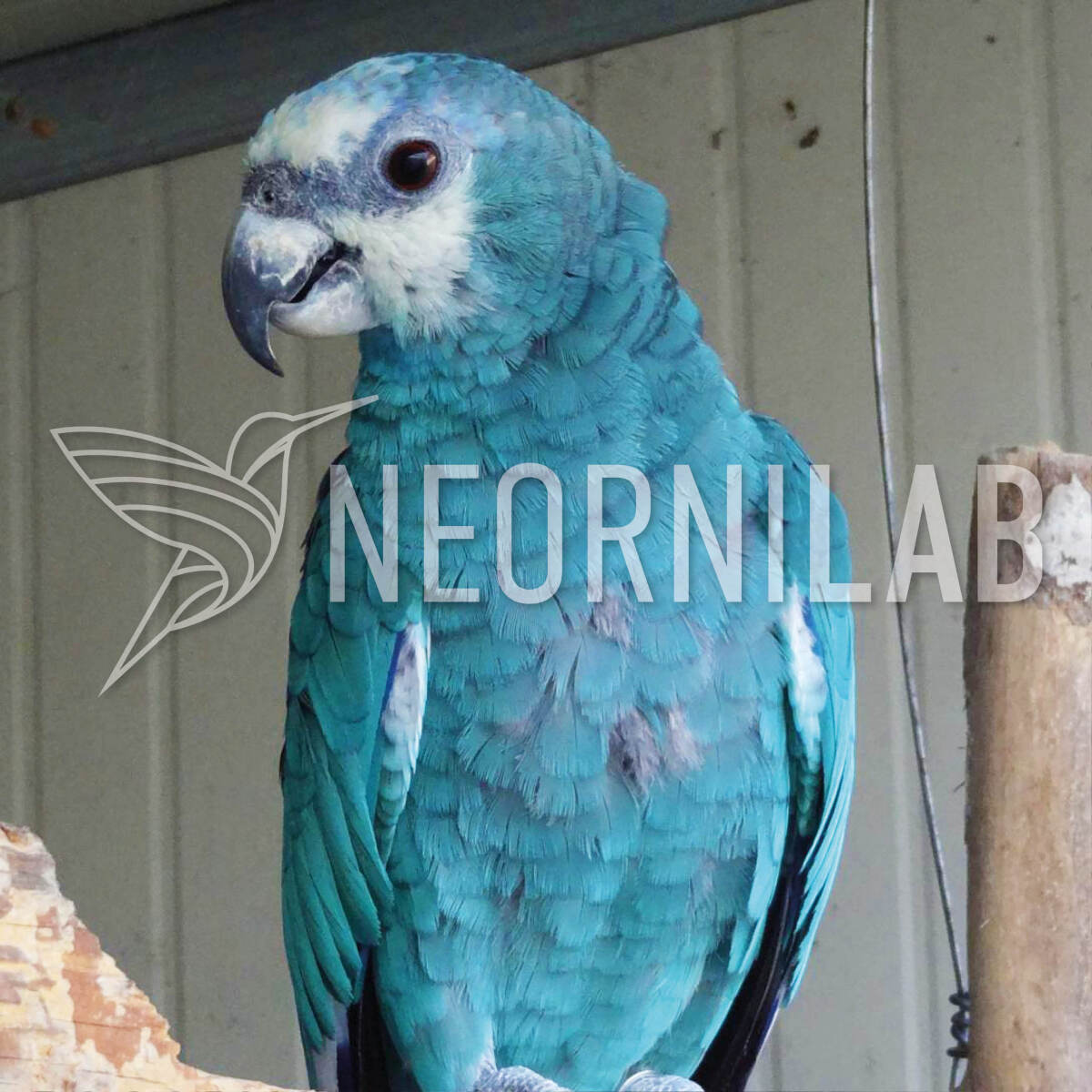
We don't test for a "blue gene": several mutations can produce the same colour
A common misconception is that a single "blue gene", "ino gene" or "cinnamon gene" exists. In reality, genetics works differently.
The same colour phenotype can be caused by different genetic variants (in practice called "mutations") on the same gene (the locus). These variants can differ genetically, while producing exactly the same colour outwardly.
Een eenvoudig voorbeeld van zo'n varianten:
A simple example of such variants:
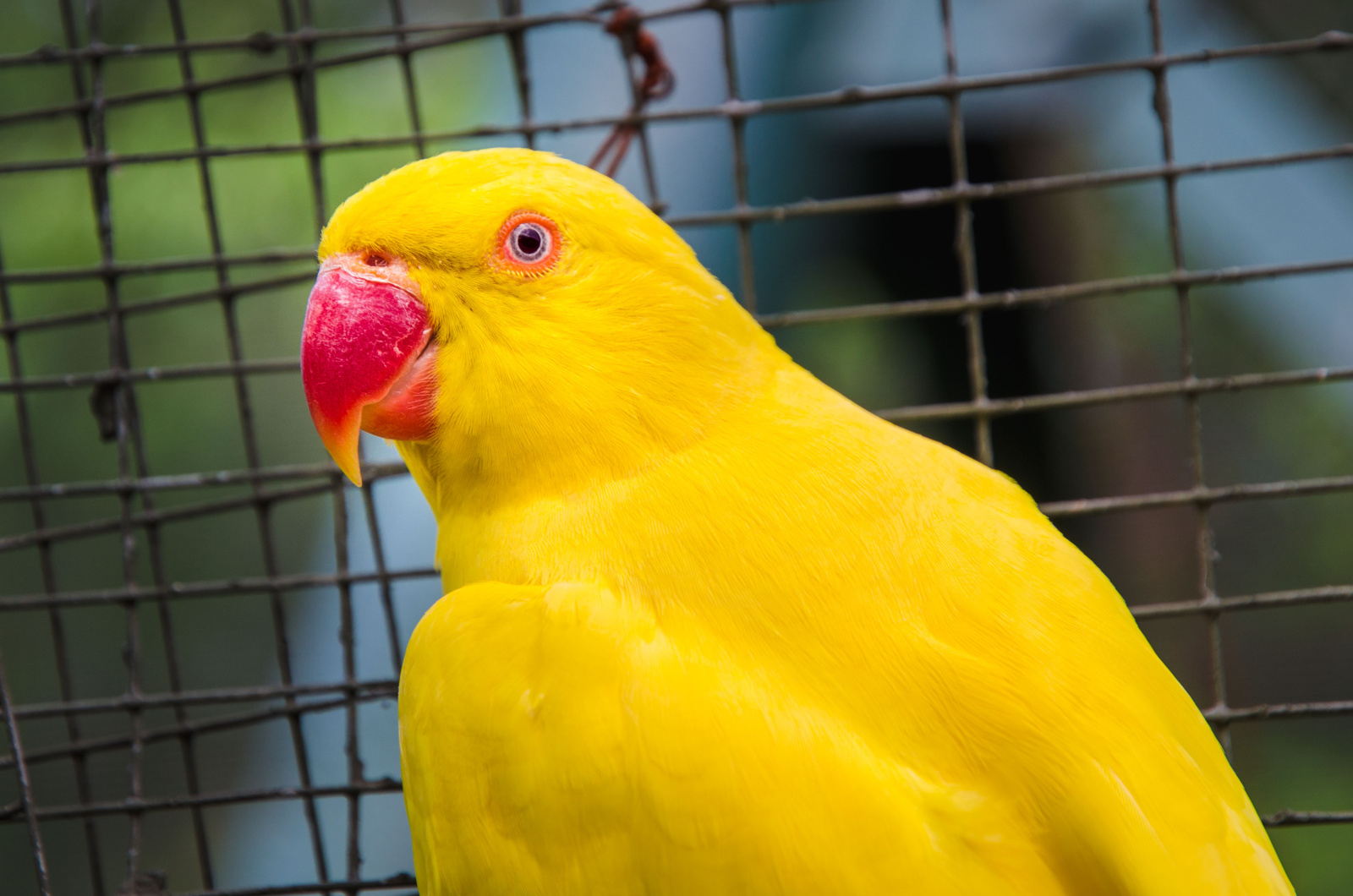
- blue1 in the Red-breasted Parakeet (Psittacula alexandri) → produces the blue colour
- blue2 in the Red-breasted Parakeet (Psittacula alexandri) → likewise produces the blue colour
A bird that is blue1/blue1, blue2/blue2 or even blue1/blue2 (compound heterozygote) can show the same blue phenotype. To the breeder these birds look identical. Genetically, however, they differ.
That is why at NeorniLab we always refer to specific mutations, for example:
- blue1, blue3, blue2, …
- NSL ino1, NSL ino2, …
- SL ino1, SL ino2, …
- opaline1, …
- cinnamon1, …
This is not a complete list. As new mutations are discovered, we keep expanding our range of tests
What do we do when a new mutation is suspected?
Here lies one of NeorniLab's greatest strengths.
When a breeder has strong indications that an unknown mutation is present, we set to work on it in a targeted way.
For example, when:
- a given pairing is certain to be expected to produce splits;
- reliable reference birds are available for a species for which we don't yet offer tests;
- a mutant sent in with the sample nonetheless returns a wildtype result.
In such cases we request reference material where possible. With these references we can carry out targeted genetic research to determine whether a new mutation is indeed present. When this is confirmed, developing and validating a new DNA test becomes a high priority for us.
That is how, step by step, we keep expanding our knowledge and our range of tests.
Transparency builds trust
At NeorniLab we always test for the genetic variants that have been scientifically demonstrated and validated. We don't promise that an unknown mutation never exists anywhere.
What we do promise is that:
- we keep expanding our range of tests as new mutations are discovered;
- we take suspicions of new mutations seriously;
- and we keep investing, together with breeders, in further unravelling the genetics behind colour mutations.
It is precisely this collaboration between breeders and laboratory that allows us to discover new mutations and ultimately make them available as a reliable DNA test.
That is how, together, we build ever more complete genetic insight, with the aim of better breeding results, less uncertainty and maximum confidence in every DNA analysis.
Unsure which colour mutation test suits your birds?
Send us information about your species, bloodline, expected inheritance and any mutant or potential-split birds. We'll then help you choose which test is most useful for your breeding stock.