

Bornavirus in parrots: PaBV, PDD and smart testing
10/06/2026
PaBV is the virus, PDD the disease. How to choose between PCR and serology (ELISA), from what age to test young birds, and what a positive result means.
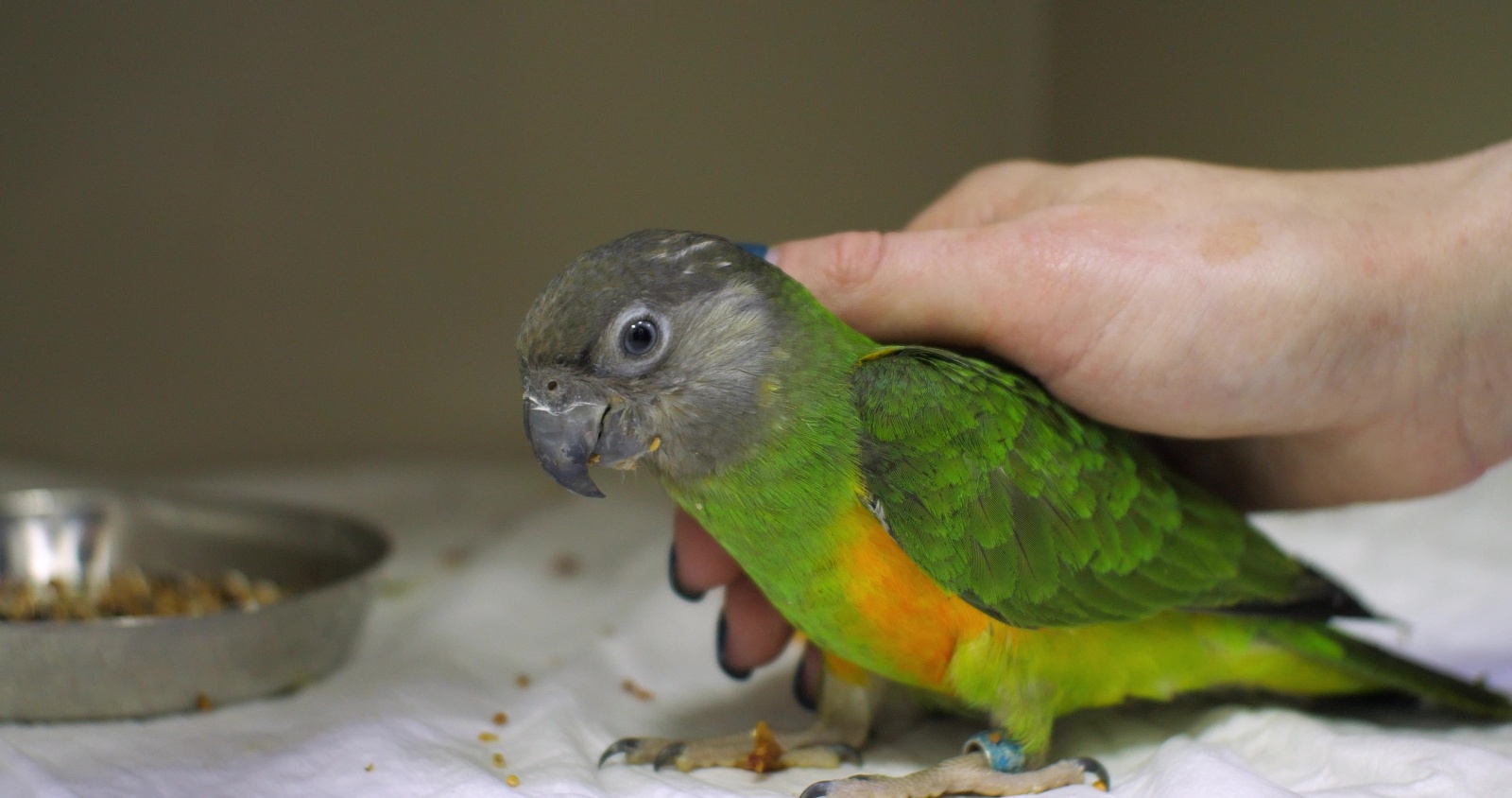
Which symptoms point to PDD?
PaBV can affect various peripheral nerves. As a result, the clinical pictures vary widely: gastrointestinal problems, neurological signs, or a vague combination.
Possible signs:
- weight loss despite a normal appetite
- undigested seeds in the droppings, regurgitation, slowed digestion
- diarrhoea or a dilated proventriculus
- balance disorders, tremors, blindness, loss of strength, epileptiform seizures
- behavioural changes, self-mutilation
- sudden death
These symptoms can also fit feeding problems, intoxications, parasites, bacterial infections, fungal or yeast infections (including Macrorhabdus), tumours or other viruses. A targeted differential approach is therefore the norm, not the exception.
How is PaBV transmitted?
For a long time, the focus was on spread via feather dust or oral/nasal uptake. That picture has been revised.
Horizontal transmission (bird to bird)
Horizontal transmission appears to be not particularly efficient. A single positive bird does not automatically infect the whole collection. We regularly find pairs or groups in which some birds are positive and others remain negative, including pairs that have been housed together for years.
What is strongly supported experimentally: transmission via wounds and skin lesions, followed by retrograde spread along peripheral nerves [1]. Bite wounds, foot-sole problems, poor perches, rough group changes and stress are therefore relevant risk factors in management. Oral or nasal infection remains theoretically possible, but is not supported by experimental studies as a reliable route of infection [2].
Vertical transmission (via the egg)
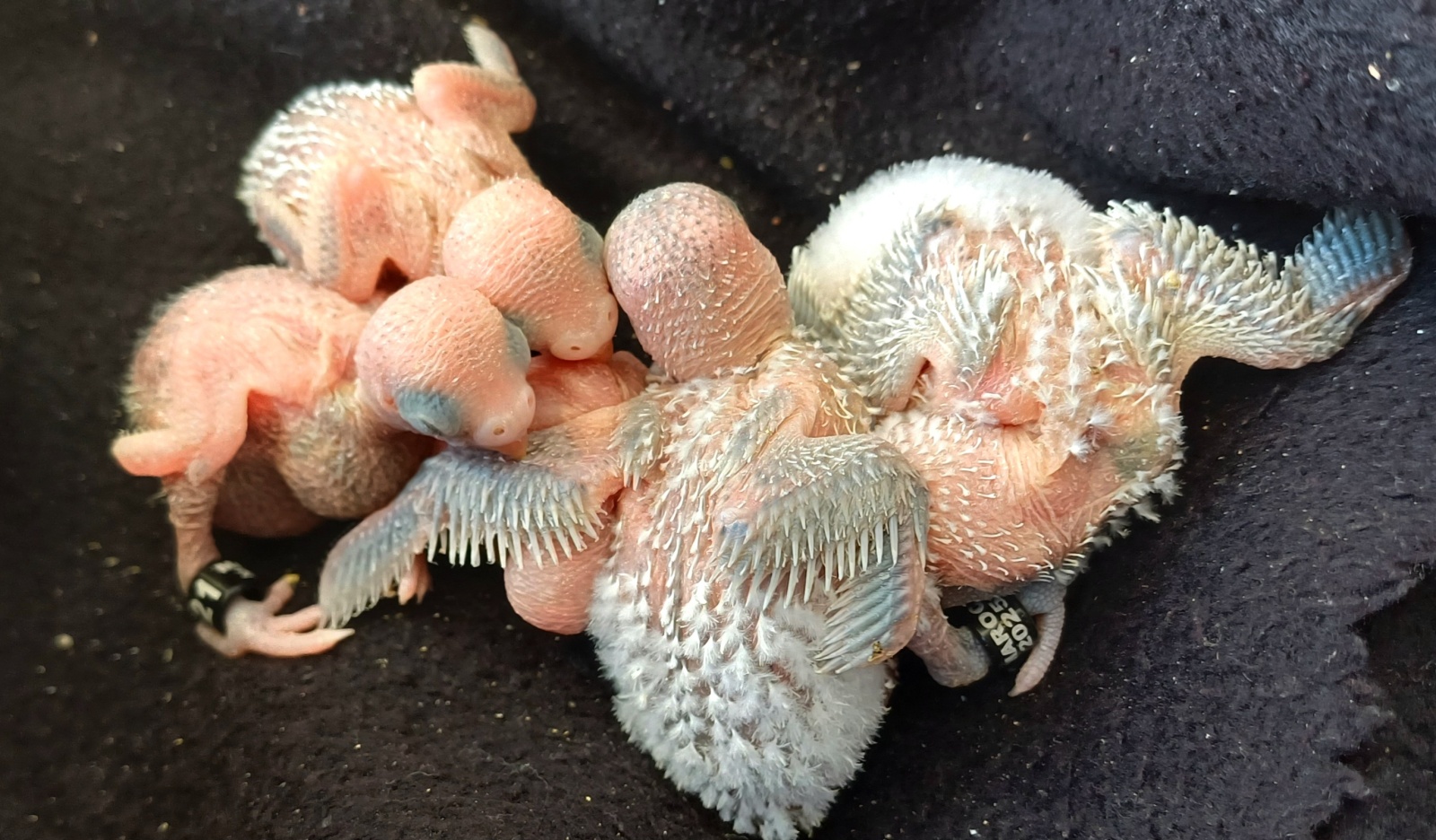
Vertical transmission has been demonstrated experimentally in Nymphicus hollandicus (cockatiel) [3]. PaBV RNA, and in certain groups also infectious virus, was found in eggs and embryos. The likelihood depends partly on the age at which the parent birds themselves became infected.
Important for breeders: positive parent birds do not automatically produce only positive young. Negative offspring are possible. Testing the young themselves is therefore essential, and clearing out a valuable bloodline is rarely the right first reflex.

From what age should you test young birds for bornavirus?
For sick young birds: test regardless of age.
For healthy young birds that will be sold, moved or placed in a negative group: test from around 6 weeks. With larger parrots it is often more practical to test after weaning, or once the bird no longer has intensive contact with other birds. The reasoning: a test only has full value when you can subsequently keep the bird separated or protected from possible sources of infection.
For maximum certainty with valuable birds: PCR + serology from 6 weeks, retest 4 to 6 weeks later with the same combination.
How do you get your collection PaBV-negative?
Testing and separation plan:
- Test all birds from weaning age, preferably with PCR + serology.
- Strictly separate positive, doubtful and negative birds.
- Retest negative birds after 4 to 6 weeks. Only place double-negative birds in the negative group.
Management that makes the difference:
- Separate materials, nest boxes, gloves and care routes per group.
- Care for negative birds first, positive birds last.
- Prevent bite wounds, foot-sole problems and stress: these are the routes along which the virus spreads.
- Do not automatically remove positive birds. For valuable or rare lines, negative offspring can be selected, provided there is strict follow-up.
How do you then keep that collection negative? Every new bird is a risk, even if it looks healthy. Test before introduction (PCR + serology on arrival, retest after 4 to 6 weeks) and maintain strict quarantine. Only introduce the bird once both the test results and the quarantine period are reassuring.